

Precision CNC machining is an ideal choice for producing complex medical parts. The CNC machined parts used in medical equipment need to be very detailed, and there is a high degree of consistency between the parts. We can use CNC machine tools to produce prototypes from product development to batch products produced under the strictest specifications. Medical components must use various materials suitable for healthcare applications, such as titanium and titanium alloys, gold, brass, bronze, stainless steel, and medical plastics.
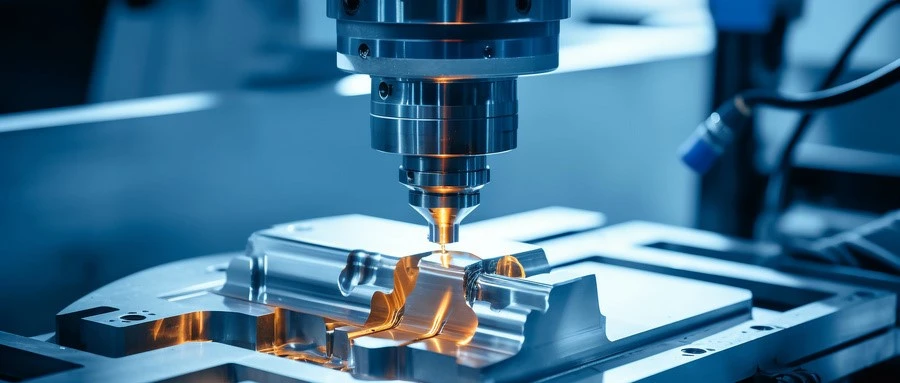
With years of experience, knowledgeable employees can manufacture precision medical components that meet various specifications in our machining centers. We provide excellent precision components for various medical applications. When using the right tools, our machine can cut very hard materials into complex designs, such as rounded corners, grooves, precise flanges, and radii. Tools and cutting surfaces are cooled to prevent thermal deformation, and products are polished and sandblasted to achieve a smooth and flawless surface.
Medical equipment components require the highest accuracy and reliability, as even the smallest errors can have life changing consequences. So the medical industry uses advanced manufacturing technology, among which CNC machining is particularly prominent. Using computer-controlled machinery to cut, shape, and manipulate various materials into complex forms. Driven by CAD models, provide blueprints for machines to ensure accuracy and repeatability.
This technology has been proven to be highly reliable for producing a variety of devices and components, from medical packaging, dental implants to surgical instruments, and more. Whether it's prosthetic joints or surgical tools, medical CNC machining ensures precision and quality, which is crucial for safety.

The medical industry relies on CNC machining to produce various equipment and components
1. Prostheses and implants Typical components:
Customized craniofacial implants Spinal fusion device, screws, bone plates Titanium alloy/cobalt chromium alloy joints (hip joints, knee joints)
________________________________________
2. Core components of diagnostic equipment Typical components:
Transmission components of laboratory automation instruments,Metal brackets and slip rings in CT/MRI equipment,Ultrasonic probe precision shell
_______________________________________
3. Surgical instruments• Typical components:
Dental implant guidance template,Orthopedic surgical tools,Minimally invasive surgical instruments (biopsy forceps, endoscope parts)

4. Auxiliary and rehabilitation equipment Typical components:
Lightweight aluminum alloy frame for wheelchairs
prosthetic joint components
________________________________________
5. Medical robot components• Typical components:
Positioning fixture for navigation system
Servo motor precision gear
________________________________________
6. Disposable medical consumables molds• Typical components:
Precision parts of breathing valve
Infusion pump gear set
Syringe needle mold
The key steps of medical CNC machining technology
1. Machine setup: CNC machine tools use CAD model programming to shape materials into the desired shape, and also set cutting speed, required tool path, and feed rate.
2. Design and CAD modeling: Create CAD models that define the geometric shape and specifications of the parts to be machined. This digital design is the blueprint for the manufacturing process.materials, such as stainless steel and medical grade plastics, are used to ensure safety and compatibility.
4. Quality control: To maintain the high standards required by the medical industry, quality control measures are adopted. Thoroughly inspect the surface smoothness, industry standards, and dimensional accuracy of the components.
5. Processing: CNC machine tools accurately remove material from workpieces through programmed tool paths. This requires close monitoring and quality control to ensure accuracy. 6. Post processing: In practice, components may require additional processing, such as surface coating or disinfection, to ensure they are ready for clinical use.
Although CNC machining in the medical industry has completely changed the medical device manufacturing industry, there are still challenges. Some challenges include innovation to improve accuracy, reduce production costs, and accelerate production speed. Technological advancements such as multi axis machine tools and automation have appropriately addressed these issues, promoting more cost-effective production.
How to reduce the surface roughness of CNC precision medical workpieces
The surface roughness of a workpiece is another way of expressing its smoothness. Smoothness is a term based on our visual impression. The surface roughness is an indicator that reflects the microscopic standards of the workpiece surface. During the cutting process of workpieces in CNC machining centers, the metal surface undergoes thermal deformation, and the machining vibration of the machine tool leaves tool marks on the surface, resulting in uneven peaks and valleys on the surface. The characteristic presented by the peaks and valleys with small spacing on the surface of the workpiece is called surface roughness. The surface roughness formed by different processing methods usually varies.
The common reasons for the formation of surface roughness of workpieces are:
Thermal deformation or plastic deformation caused by cutting separation;
Friction between machined surfaces and cutting tools;
Cutting marks generated during milling process;
What impact does a rough surface have on the workpiece:
Affects the measurement accuracy of the workpiece: The surface roughness of both the measured surface of the part and the measuring surface of the measuring tool may affect the measurement accuracy.
Affects the wear resistance of the workpiece: The higher the surface roughness, the smaller the effective contact area between the mating surfaces, and the greater the pressure applied, resulting in faster wear of the workpiece.
Influence on fatigue strength: There are large valleys on the surface of relatively rough workpieces. It is very sensitive to stress concentration, which in turn affects the fatigue strength of the parts.
The roughness of the workpiece surface must also consider economic rationality and meet the functional requirements of the part surface. On the premise of meeting the cutting function, pay attention to selecting a larger surface roughness reference value, which can reduce production costs. Tools should be regularly maintained to prevent surface roughness caused by excessive dullness.

Try contacting Dahong immediately, all information and uploads are secure and confidential.


