

Aluminum , a lightweight, non-ferromagnetic, and highly ductile metal, is a cornerstone material in industries such as aerospace, automotive, and electronics. Its exceptional properties make it a preferred choice for CNC machining, particularly in CNC turning. Aluminum's high strength-to-weight ratio, combined with its excellent machinability, positions it as a core material for producing precision components.
Through alloying with elements like magnesium, copper, zinc, and silicon, aluminum alloys achieve enhanced strength, corrosion resistance, and thermal stability, meeting the diverse demands of mechanical structures. In CNC turning, aluminum's ability to be precisely shaped into rotationally symmetric parts-such as shafts, fittings, and connectors-makes it invaluable. Its cost-effective nature and environmental benefits, including high recyclability, further solidify its role in sustainable manufacturing.

What Is CNC Turning?
CNC turning is a computer-controlled machining process that uses a CNC lathe to shape workpieces by removing material through single-point cutting. The process involves securing a workpiece in a chuck or collet, which rotates at high speeds while a cutting tool follows a programmed path to achieve precise material removal. This technique excels in producing rotationally symmetric components like shafts, sleeves, threads, flanges, and connectors.
The CNC machining process relies on advanced automation to ensure high precision and repeatability, making it ideal for manufacturing complex parts with tight tolerances. In CNC turning, the workpiece's rotation, combined with the tool's linear or curved motion, enables efficient production of intricate geometries used across industries like aerospace, automotive, and electronics.

Why Aluminum Alloys Are Ideal for CNC Turning
Aluminum alloys are a top choice for CNC turning due to their unique combination of properties, which align perfectly with the demands of precision manufacturing:
- Superior Machinability: Aluminum alloys are easy to cut and shape, generating minimal heat during machining, which reduces tool wear and enhances efficiency. This makes them highly compatible with CNC milling machines and lathes.
- High Strength-to-Weight Ratio: With a density approximately one-third that of steel, aluminum offers sufficient strength for structural applications while keeping components lightweight-an essential trait for industries like aerospace and automotive.
- Natural Corrosion Resistance: Aluminum forms a protective oxide layer, providing inherent corrosion resistance suitable for long-term use in harsh environments. This can be further enhanced with surface finishing techniques like anodizing.
- Cost-Effectiveness: Aluminum's moderate raw material cost, combined with its fast machining speeds, shortens production cycles and lowers overall costs, making it a cost-effective option for high-precision parts.
- Environmental Sustainability: Aluminum's high recyclability supports eco-friendly manufacturing, reducing the carbon footprint and aligning with modern sustainability goals.
These attributes make aluminum alloys a versatile and efficient choice for CNC turning, delivering both performance and economic benefits.
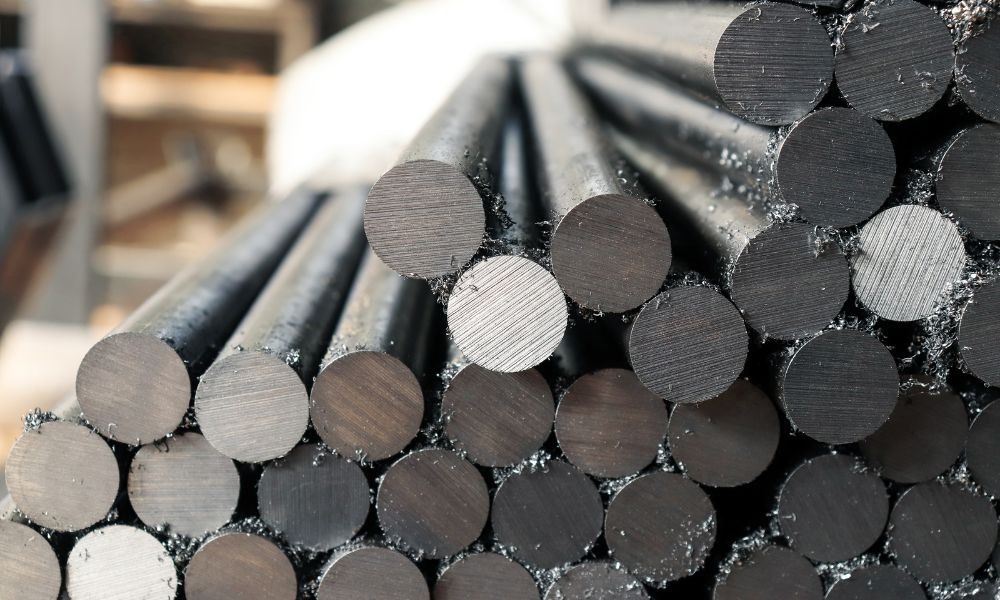
Commonly Used Aluminum Alloys in CNC Turning
Different aluminum alloys are selected for CNC turning based on their specific properties, applications, and machining considerations. Below are some of the most commonly used alloys, along with their characteristics and best practices:
6061-T6
- Characteristics: Moderate strength, excellent corrosion resistance, and heat-treatable, offering a balance of performance and versatility.
- Applications: Aerospace structural components, electric vehicle parts, consumer electronics housings, and frameworks.
- Machining Tips: Exhibits excellent machinability, suitable for various surface finishing methods like anodizing to enhance durability and aesthetics.
7075
- Characteristics: Extremely high strength, good fatigue resistance, heat-treatable, but with relatively lower corrosion resistance.
- Applications: Aerospace load-bearing structures, molds, and high-performance racing components.
- Machining Tips: Use high-quality carbide tools to minimize wear, and monitor thermal conductivity to prevent heat-induced dimensional inaccuracies during high-speed cutting.
2024
- Characteristics: High strength and good performance after heat treatment, but lower corrosion resistance.
- Applications: Aircraft skins, bolts, and aerospace fasteners.
- Machining Tips: Requires additional surface finishing like anodizing or coating to improve corrosion resistance and protect against environmental exposure.
5052
- Characteristics: Moderate strength, excellent corrosion resistance, and good weldability, but not heat-treatable.
- Applications: Marine vessels, storage tanks, and pressure vessels.
- Machining Tips: Control deformation in large heat-affected zones by optimizing cutting parameters and cooling methods.
6082
- Characteristics: High strength, stable mechanical properties, good weldability, and excellent corrosion resistance.
- Applications: Building structures, industrial profiles, and transportation equipment.
- Machining Tips: Well-suited for high-demand structural components and performs excellently with anodizing for enhanced surface properties.
Aluminum Alloy Comparison Table
The following table summarizes the key properties of these alloys to aid in material selection for CNC turning projects:
|
Alloy Series |
Main Elements |
Strength |
Machinability |
Corrosion Resistance |
Heat-Treatable |
Typical Applications |
|
6061-T6 |
Mg + Si |
Moderate |
Excellent |
Excellent |
Yes |
Aerospace, Electric Vehicles |
|
7075 |
Zn |
Very High |
Good |
Moderate |
Yes |
Aerospace Load-Bearing Parts |
|
2024 |
Cu |
High |
Good |
Low |
Yes |
Aircraft Parts, Fasteners |
|
5052 |
Mg |
Moderate |
Average |
Excellent |
No |
Marine, Storage Tanks |
|
6082 |
Mg + Si |
High |
Good |
Excellent |
Yes |
Building, Transportation |
This comparison highlights the trade-offs between strength, machinability, and corrosion resistance, enabling informed decisions based on specific project requirements in CNC turning
Common Challenges in Aluminum Alloy CNC Turning and Solutions
While aluminum alloys are highly machinable, CNC turning of these materials presents specific challenges due to their unique properties. Below, we outline the most common issues encountered during aluminum CNC machining and provide practical solutions to ensure high-quality results:
|
Challenge |
Description |
Solution |
|
Chip Build-Up and Sticking |
Aluminum's softness can cause chips to adhere to the cutting tool, leading to burrs and rough surfaces. |
Use polycrystalline diamond (PCD) or carbide tools with appropriate cutting fluid to lubricate and reduce sticking. |
|
High Thermal Conductivity |
Aluminum's excellent thermal conductivity causes rapid heat transfer, potentially leading to thermal deformation and reduced precision. |
Lower cutting speeds and employ highly pressurized coolant to control temperature and maintain dimensional accuracy. |
|
Tool Wear from Silicon Content |
High-silicon aluminum alloys accelerate tool wear, impacting tool life and surface quality. |
Use tools with TiAlN (Titanium Aluminum Nitride) coatings to enhance durability and reduce wear during CNC turning. |
|
Workpiece Deformation During Clamping |
Aluminum's relatively low hardness can lead to deformation or shifting if clamping force is uneven. |
Utilize elastic chucks or precision positioning systems to distribute clamping force evenly, preventing distortion. |
By addressing these challenges with specialized tools, optimized parameters, and effective cooling strategies, manufacturers can achieve superior surface finishing and precision in aluminum CNC turning.

Applications of Aluminum CNC Turning Parts
Aluminum CNC turning parts are integral to a wide range of industries due to their lightweight, durable, and high-precision characteristics. The following sectors benefit significantly from these components:
- Aerospace Industry: Aluminum's high strength-to-weight ratio and corrosion resistance make it ideal for components like landing gear parts, hollow shafts, fasteners, and structural connectors. Alloys like 7075 and 2024 are commonly used for load-bearing and aircraft skin applications.
- Automotive Manufacturing: Aluminum turned parts, such as sensor housings, tube fittings, engine components, and body connectors, contribute to lightweight vehicle designs and improved fuel efficiency. Alloys like 6061-T6 are popular for electric vehicle parts.
- Consumer Electronics: Precision aluminum components, including audio structures, camera housings, heat sinks, and decorative casings, leverage aluminum's aesthetic appeal and thermal conductivity for effective heat dissipation in devices like laptops and smartphones.
- Industrial Machinery: Aluminum parts like pneumatic fittings, pressure vessels, valve bodies, and automation components benefit from the material's machinability and corrosion resistance, ensuring reliability in demanding industrial environments.
These applications highlight the versatility of aluminum CNC turning, enabling the production of high-performance parts across diverse sectors.
Cost Calculation for Aluminum CNC Turning
The cost of CNC turning aluminum parts depends on several factors, but aluminum's properties generally make it a cost-effective choice compared to materials like copper or stainless steel. Key cost components include:
- Raw Material Costs: Aluminum is typically less expensive than copper or stainless steel, contributing to lower overall costs.
- Machining Time: Aluminum's excellent machinability allows for faster processing, reducing labor and machine hours, which enhances efficiency in CNC lathe operations.
- Tool Wear Costs: While some aluminum alloys, particularly those with high silicon content, can accelerate tool wear, using durable tools like carbide or coated variants mitigates this expense.
- Post-Processing Costs: Surface finishing techniques, such as anodizing or chromium plating, may add to costs but enhance durability and aesthetics. Anodizing, for instance, improves corrosion resistance and is often applied to 6061 or 6082 alloys.
- Geometric Complexity: More intricate designs increase machining time and tool requirements, leading to a complexity premium.
Overall, aluminum CNC turning offers excellent value, particularly for small-batch, high-precision, and lightweight products, making it a preferred choice for cost-conscious manufacturers.
How to Choose the Right Aluminum CNC Turning Service Provider
Selecting a reliable CNC machining service provider is critical to achieving high-quality aluminum turned parts. Consider the following factors when evaluating potential partners:
- Specialization in Aluminum Alloys: Ensure the provider has extensive experience with aluminum alloys like 6061-T6, 7075, and 5052, as well as knowledge of their machining characteristics.
- Advanced Equipment: Look for facilities equipped with high-precision CNC lathes, automatic feeding systems, and complementary tools like CNC laser machines or plasma arc cutters for comprehensive capabilities.
- One-Stop Surface Finishing: Providers offering in-house surface finishing options, such as anodizing or electroplating, streamline production and ensure consistent quality.
- Project Management Capabilities: Choose a partner capable of handling the full production cycle, from prototyping to small-batch and high-volume delivery, ensuring seamless project execution.
- Certifications and Compliance: Verify certifications like ISO 9001, AS9100 (aerospace), or RoHS compliance, which demonstrate adherence to quality and environmental standards.
- Transparency for Global Clients: For overseas customers, providers offering remote factory audits or machining process videos enhance trust and facilitate evaluation.
A service provider that excels in these areas ensures high-quality, reliable, and efficient aluminum CNC turning solutions tailored to your needs.

Why Choose Dahong Precision for Aluminum CNC Turning Services
Dahong Precision stands out as a trusted manufacturer of high-precision aluminum CNC turning parts , delivering exceptional quality and durability to meet diverse industry demands. With over nine years of expertise in precision machining, we specialize in producing customized aluminum components using alloys such as 6061, 7075, 2024, 5052, and 6082, among others. Our advanced CNC lathes, CNC milling machines, and CNC laser machines enable us to handle both simple and complex geometries with tight tolerances as low as ±0.005 mm, tailored to your specific requirements.
We offer comprehensive surface finishing options, including anodizing (available in colors like black, gray, red, or green) and chromium plating, to enhance corrosion resistance and aesthetics. Our one-stop service covers everything from design and prototyping to full-scale production, supported by a dedicated project team to ensure smooth progress and timely delivery. All parts undergo 100% dimensional inspection to guarantee quality, and we provide free samples before production to align with your specifications.
Dahong Precision's commitment to excellence is backed by certifications like ISO 9001 and AS9100, ensuring compliance with aerospace industry and environmental standards. We welcome clients to explore our capabilities through virtual factory tours or in-person visits, offering transparency and confidence in our processes. Whether you need components for automotive, aerospace, electronics, or industrial machinery, Dahong Precision delivers cost-effective, high-quality aluminum CNC turning solutions. Contact us today to discuss your project and experience our customer-first approach.

Let's Make Something Extraordinary Together
At Dahong Precision, we are more than just a CNC machining supplier, we are your partner in precision manufacturing. Whether you need simple parts or highly complex parts, our 3, 4 and 5 axis CNC machining services deliver the quality and reliability you deserve. Contact us today to discuss your project and find out how we can help you achieve your goals.


