

Aluminum alloy, due to its excellent strength-to-weight ratio, corrosion resistance and processing performance, has become the preferred material for manufacturing high-precision hardware components and is widely used in many fields such as automotive manufacturing and electronic equipment. For factories engaged in the external processing of high-precision hardware components, precision automation, and precision mechanical parts, mastering the professional knowledge and skills of aluminum alloy processing is the key to producing high-quality products. This article will delve deeply into all aspects of aluminum alloy material processing.
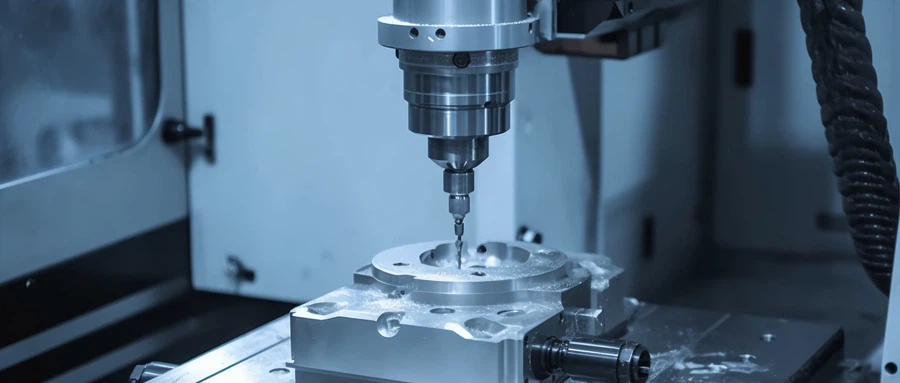
What is aluminium?
Aluminum alloy is a metallic material made by adding alloying elements such as copper (Cu), magnesium (Mg), silicon (Si), zinc (Zn), and manganese (Mn) to aluminum (Al) as the base material (accounting for more than 90%), and then through processes such as smelting, casting, and heat treatment. Its core advantage lies in the perfect combination of lightweight (density 2.7g/cm³) and high strength (tensile strength up to 700MPa).
Aluminum alloys of different series have significant performance differences due to the different types and contents of alloying elements added. For example, 6061 aluminum alloy, containing magnesium and silicon elements, has medium strength, good weldability and corrosion resistance, and is often used in the processing of semiconductor equipment, building structural components, automotive parts, etc. 7075 aluminum alloy, with the addition of elements such as zinc, magnesium and copper, is a high-strength aluminum alloy and is used in the aerospace field to manufacture components that can withstand high stress.
Preparations before aluminum alloy processing

Material selection and inspection
Select the corresponding aluminum alloy material based on specific processing requirements. After the materials are selected, strictly follow the inspection process to check whether there are any defects such as cracks, bubbles, and sand holes on the appearance of the materials. At the same time, verify whether the specifications and dimensions of the materials meet the standards to ensure the reliable quality of the materials.
The adaptation of processing equipment and cutting tools
Aluminum alloy processing has special requirements for equipment and tools. The processing equipment needs to have good rigidity and stability to cope with the cutting force and vibration that may occur during the aluminum alloy processing. For example, high-precision CNC machine tools can ensure processing accuracy and efficiency. In terms of cutting tools, since aluminum alloy is relatively soft, it is prone to sticking to the tool. Therefore, sharp and wear-resistant tools should be selected, such as carbide tools and ceramic tools. The geometry of the cutting tool also needs to be carefully designed. Reasonable rake Angle, relief Angle and cutting edge radius can effectively reduce the cutting force and improve the quality of the machined surface.
Formulation of process planning
It is of vital importance to formulate a detailed and scientific process plan before formal processing. Clarify the processing steps, including the sequence of each process such as cutting, milling, turning, drilling and tapping; Reasonably set processing parameters such as cutting speed, feed rate, and cutting depth. The optimization of these parameters directly affects processing efficiency and product quality. For instance, when milling aluminum alloys, a higher cutting speed can enhance processing efficiency, but it is necessary to simultaneously control the feed rate well to prevent material deformation caused by excessively high cutting temperatures.
Aluminum alloy processing technology
electrical discharge wire - cutting
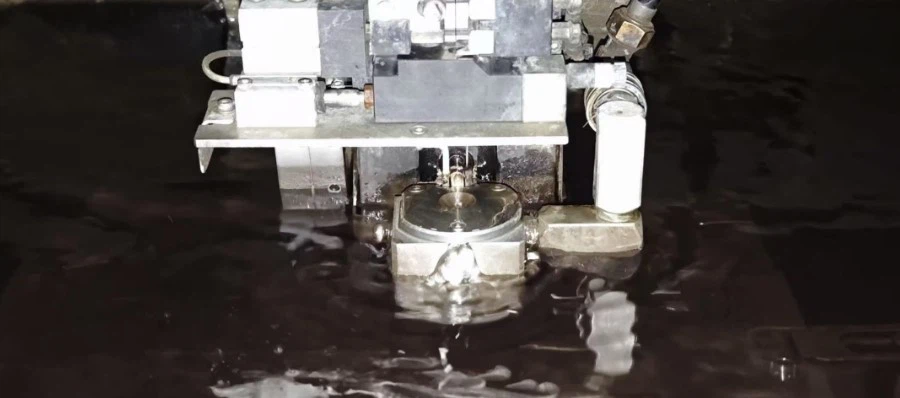
Both the slow wire cutting and medium wire cutting processes of aluminum alloy belong to the precision electrical discharge wire cutting technology.
Slow wire cutting (precision first) : It uses brass electrode wire with a diameter of 0.02-0.3mm for unidirectional wire cutting, with deionized water as the medium. Through multiple cuts (rough cutting +3-5 fine refinings), a precision of ±0.002mm is achieved, and the surface roughness reaches Ra0.4μm, making it suitable for parts with high precision requirements.
Medium wire cutting (efficiency balance) : Using reusable molybdenum wire for bidirectional wire feeding, combined with high-frequency power supply and emulsion cooling, the single cutting accuracy is ±0.01mm, and the surface is Ra1.6μm. Through the intelligent control system to optimize the discharge parameters, it takes into account both cost and quality. It is widely used in batch processing of automotive parts and the Food&Packing industry, etc.
Milling process
illing is a commonly used forming process in aluminum alloy processing. In the milling process, choosing the appropriate milling cutter is of vital importance. According to the processing shape and requirements, end mills, face mills, ball-end mills, etc. can be selected. To reduce the tool sticking phenomenon of aluminum alloy materials during milling, milling cutters with larger rake angles and sharp cutting edges should be adopted, and the milling parameters should be set reasonably. Generally speaking, a higher milling speed and a moderate feed rate can achieve better surface quality of the machined surface.
In addition, during the milling process, cutting fluid should be fully utilized to serve the purposes of cooling, lubricating and chip removal. The selection of cutting fluid should be determined based on the aluminum alloy material and processing requirements. For instance, water-based cutting fluid has excellent cooling performance and is suitable for high-speed milling. Oil-based cutting fluid has good lubricity and can improve the surface finish of the processed surface.
Drilling process
When drilling holes in aluminum alloys, problems such as enlarged hole diameters and rough hole walls are prone to occur. To solve these problems, it is necessary to select the appropriate drill bit, such as cobalt-containing high-speed steel drill bits, which have higher hardness and wear resistance and are suitable for drilling aluminum alloys. In the setting of drilling parameters, a higher rotational speed and a smaller feed rate should be adopted to reduce the wear of the drill bit and the roughness of the hole wall. Meanwhile, in order to reduce the cutting temperature and improve the quality of the hole, cutting fluid needs to be used for cooling and lubrication.
During the drilling process, attention should also be paid to the grinding and chip removal of the drill bit. Regularly grinding the drill bit to keep the cutting edge sharp can improve the efficiency and quality of drilling. Clear the chips in the hole in time to prevent chip blockage and affect the drilling accuracy.
Turning process
Aluminum alloy can be used to form parts through turning and rotary processing, and is widely applied in the processing of shaft and disc parts. This process requires the selection of high-precision CNC lathes. With their excellent dynamic performance and wide speed adjustment range, they ensure the turning accuracy and efficiency. In terms of cutting tools, carbide tools and coated tools are preferred. Reasonable design of the geometric angles of the cutting tools can effectively improve the processing effect. In the setting of turning parameters, the higher cutting speed, the appropriate feed rate and the cutting depth are coordinated with each other to balance the processing efficiency and quality. During the process, the cutting fluid is fully utilized for cooling and lubrication, the design of the chip breaking groove is optimized, and forced chip removal is carried out to ensure smooth processing. Facing common problems such as surface roughness, dimensional deviation and vibration, these issues are addressed by adjusting parameters, maintaining equipment and optimizing clamping, thereby achieving the processing of high-quality aluminum alloy parts.

Tapping process
Tapping aluminum alloy is relatively difficult. Due to the soft material, problems such as tap breakage and thread decay are prone to occur. Therefore, it is necessary to select taps specifically designed for tapping aluminum alloys. Their material is usually high-performance high-speed steel and they have a special groove design to facilitate chip removal. When tapping, the tapping speed must be strictly controlled. Generally, a lower rotational speed is adopted, and at the same time, appropriate tapping oil is used to enhance the lubrication performance and reduce the friction between the tap and the workpiece.
Before tapping, ensure that the size of the bottom hole is accurate. The diameter of the bottom hole should be reasonably selected based on the thread specification and the characteristics of the aluminum alloy material. In addition, during the tapping process, pay attention to the verticality of the tap to avoid the thread tilting.
Quality control in the processing of aluminum parts
Control dimensional accuracy
During the processing of aluminum alloys, dimensional accuracy is affected by multiple factors, such as tool wear, workpiece deformation caused by cutting force, and equipment accuracy. To ensure dimensional accuracy, the cutting tools should be inspected and replaced regularly to compensate for the wear of the tools in a timely manner. Optimize processing parameters, reduce cutting force and lower the risk of workpiece deformation. Meanwhile, regular precision detection and calibration of processing equipment should be carried out to ensure that the equipment is in good operating condition. High-precision measuring instruments, such as three-coordinate measuring machines, are used to measure the dimensions of the processed workpieces, promptly identifying and correcting dimensional deviations.
Control surface quality
The surface quality of aluminum alloy processing includes aspects such as surface roughness, surface scratches, and deformation. By rationally selecting tools and cutting parameters, such as appropriately increasing the cutting speed, reducing the feed rate, and choosing the appropriate tool geometry, the surface roughness can be reduced. During the processing, it is necessary to pay attention to keeping the processing environment clean to prevent impurities from scratching the surface of the workpiece. Avoid excessive cutting force and cutting heat to reduce workpiece deformation. Appropriate post-treatment of the processed surface, such as polishing and sandblasting, can further improve the surface quality.
Quality inspection
For some aluminum alloy products with high quality requirements, quality inspection is necessary during the production process in the workshop, using three-dimensional inspection equipment, two-dimensional inspection equipment, calipers, and other inspection devices. Through these detection methods, products with internal defects can be discovered and eliminated in a timely manner to ensure the quality, safety and reliability of the products.
Surface treatment of aluminum parts

Anodic oxidation treatment
Anodizing is one of the most commonly used surface treatment methods for aluminum parts. By forming an oxide film of aluminum oxide on the surface of aluminum alloy, its corrosion resistance, wear resistance and insulation can be significantly improved. The thickness and performance of the anodic oxide film can be controlled by adjusting the oxidation process parameters, such as the composition of the electrolyte, current density, and oxidation time. The surface of the aluminum alloy after anodizing can also be dyed to endow it with rich colors and enhance its aesthetic appeal. For example: black anodizing, blue anodizing, yellow anodizing, red anodizing, etc.
hard anodizing
Hard anodizing is a special surface treatment process for aluminum alloys. It is carried out in a specific electrolyte environment with high voltage and low temperature to promote the formation of a dense aluminum oxide film layer with a thickness of up to 25-250 μm on the surface of the aluminum alloy. Compared with ordinary anodizing, hard anodizing films have a higher hardness, reaching HV300-500, significantly enhanced wear resistance, and at the same time possess excellent corrosion resistance and insulation. This process is suitable for aluminum alloy components with extremely high requirements for surface hardness, wear resistance and corrosion resistance, such as engine parts, pistons and gears in the automotive industry. It not only effectively extends the service life and reliability of the components, but also meets their usage requirements under harsh working conditions.
welding technology
The welding process of aluminum parts is an important technology for achieving the connection and forming of aluminum parts. When implementing it, the material properties and welding requirements need to be comprehensively considered. Before welding, the surface of aluminum parts must be strictly cleaned to remove impurities such as oxide films and oil stains. Common methods include mechanical grinding or chemical cleaning to ensure the cleanliness of the welding area. During the welding process, the appropriate welding method should be selected based on the thickness, structure and usage requirements of the aluminum parts. For instance, argon arc welding features a stable arc and concentrated heat, which can effectively reduce the heat-affected zone and is suitable for welding various aluminum parts. Friction stir welding, on the other hand, can achieve high-strength welding while avoiding defects such as pores and cracks in traditional welding. It is often used in structural components with high requirements for welding quality; Meanwhile, precisely control welding parameters such as welding current, welding speed, gas flow rate, etc., to ensure good weld formation; After welding, the weld seam is subject to visual inspection, non-destructive testing and other quality inspections. If necessary, post-weld heat treatment is carried out to eliminate welding stress and improve the mechanical properties of the welded joint, thereby ensuring the quality and reliability of the aluminum parts welded and meeting the requirements of different application scenarios.
Other surface treatment methods
In addition to anodizing and welding, aluminum alloys can also undergo surface treatment methods such as sandblasting and wire drawing. Sandblasting treatment can form a uniform rough surface on the surface of aluminum alloy, increase surface friction, and improve the appearance texture at the same time. Brushing treatment can form a filamentous texture on the surface of aluminum alloy, enhancing the decorative effect of the product. These surface treatment methods can be selected and combined for application according to the specific needs and design requirements of the product.
The CNC milling, CNC turning, milling and other processing of aluminum alloy are all complex processes. From material selection, processing technology implementation to quality control and surface treatment, each link is closely connected and has a key impact on the final product quality. In the actual processing, only by constantly summarizing experience and continuously optimizing processing techniques can high-precision and high-quality products be produced in the field of aluminum alloy processing, meeting the growing market demand for aluminum alloy products and gaining an advantageous position in the fierce market competition.

Let's Make Something Extraordinary Together
At Dahong Precision, we are more than just a CNC machining supplier, we are your partner in precision manufacturing. Whether you need simple parts or highly complex parts, our 3, 4 and 5 axis CNC machining services deliver the quality and reliability you deserve. Contact us today to discuss your project and find out how we can help you achieve your goals.


